Key Takeaways
- Meibomian gland dysfunction, or MGD, happens when tiny oil glands that line your eyelids get blocked.
- Mild cases can settle in a few weeks with home care, while untreated cases can linger for months.
- Age, some medications, dry air, and certain health conditions play a role.
- Dry, scratchy, burning eyes, and blurred vision are common signs.
- Early care with an eye doctor can help protect your glands.
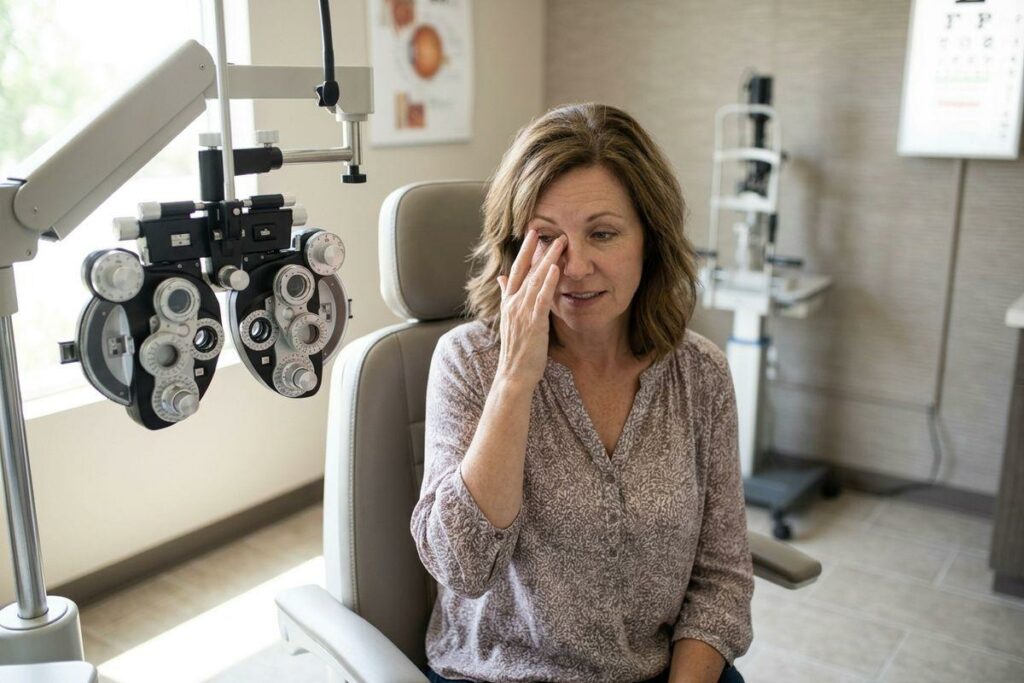
Your eyes can feel dry and gritty no matter how much you blink. Our team at Optometric Group of Fontana, Upland, Rancho Cucamonga and Rancho Cucamonga at the center for Aging often traces that scratchy feeling back to tiny oil glands along the edge of your eyelids called meibomian glands.
Meibomian gland dysfunction can last anywhere from a couple of weeks in mild cases to several months when it goes untreated, and it often becomes an ongoing condition without a care plan.
Your meibomian glands release a thin layer of oil that coats the surface of your eyes with every blink. That oil slows down how quickly your tears evaporate, so your eyes stay moist and comfortable between blinks. When the oil stops flowing, that protective layer breaks down quickly, which leads to the dry, irritated feeling so many people notice by the end of the day.
How Long MGD Symptoms Usually Last
The timeline depends a lot on how early you catch it. A mild case might clear up in a few weeks once you start warm compresses and gentle lid care at home.
Left alone, MGD can stretch on for months with flare-ups that come and go. For many people, it turns into a long-term condition that needs a steady care routine to keep symptoms in check.
Short-Term vs. Long-Term Discomfort
At-home care can calm mild, short-lived flare-ups. Warm compresses and lid cleaning often bring quick relief.
For others, the discomfort keeps returning. When flare-ups become a pattern, a care plan built around your needs can help you manage them and get more comfortable days.
Common Contributors and Signs to Watch For
Several everyday things can slow your oil glands down. Age is a big one, since gland function tends to change over time. Some medications, dry indoor air, screen time, and health conditions like rosacea can all play a part too.
Symptoms You May Notice
MGD shows up in ways you can feel and see. Keep an eye out for these signs:
- Dry, scratchy, or burning eyes
- Red, swollen eyelids
- Blurred vision that clears when you blink
- Watery eyes, which sounds odd but happens when your eyes overproduce tears to make up for poor oil
- Sensitivity to bright light
Treatment Options for Long-Term Relief
The good news is that you have plenty of ways to feel better. Omega-3 supplements can support the quality of the oil your glands make, which helps your tears do their job.
Lubricating drops give quick comfort, and your eye doctor may suggest prescription drops for tougher cases. In-office care can reach the glands more directly.
Options like OptiLight and TearCare use gentle light or warmth to loosen blocked oil and get it flowing again. Our team can walk you through which approach fits your eyes and your routine.
Why Early Care Matters
Here’s the part worth remembering. When glands stay blocked for a long stretch, they can shrink and make less oil over time. Once that happens, it’s harder to get comfort back.
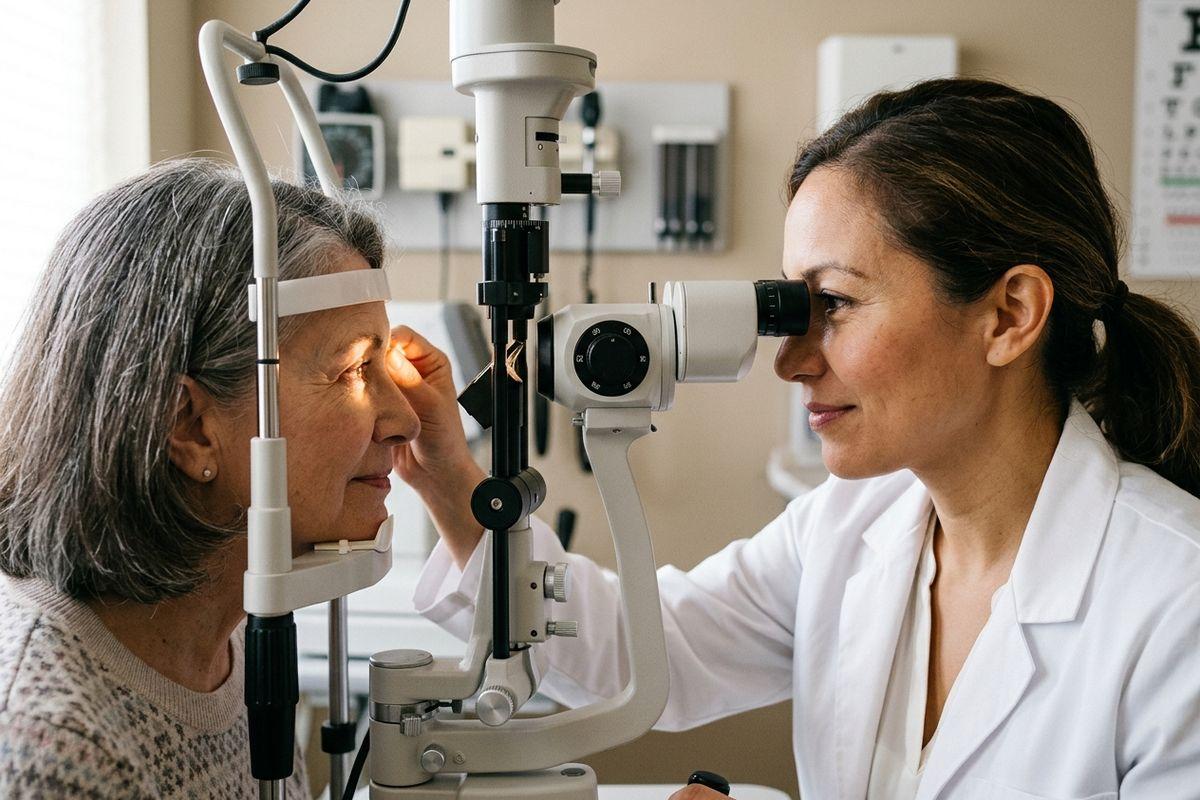
Early care helps you hold on to healthy gland function while things are still manageable. A checkup allows your eye doctor to look closely at your glands and build a plan that fits how your eyes feel day to day.
Our team take the time to understand your eyes and pairs that with modern technology and care strategies. If your eyes feel dry, gritty, or tired, schedule a visit with an eye doctor in Fontana, Upland, or Rancho Cucamonga today, and take the first step toward more comfortable days.