Key Takeaways
- There’s no single right age for contacts, since readiness matters more than a birthday.
- Many eye doctors suggest contacts around ages 11 to 14, though younger kids can do well too.
- Signs of readiness include washing hands without reminders and handling self-care on their own.
- Glasses remain a good choice, and your family can pick what fits your child.
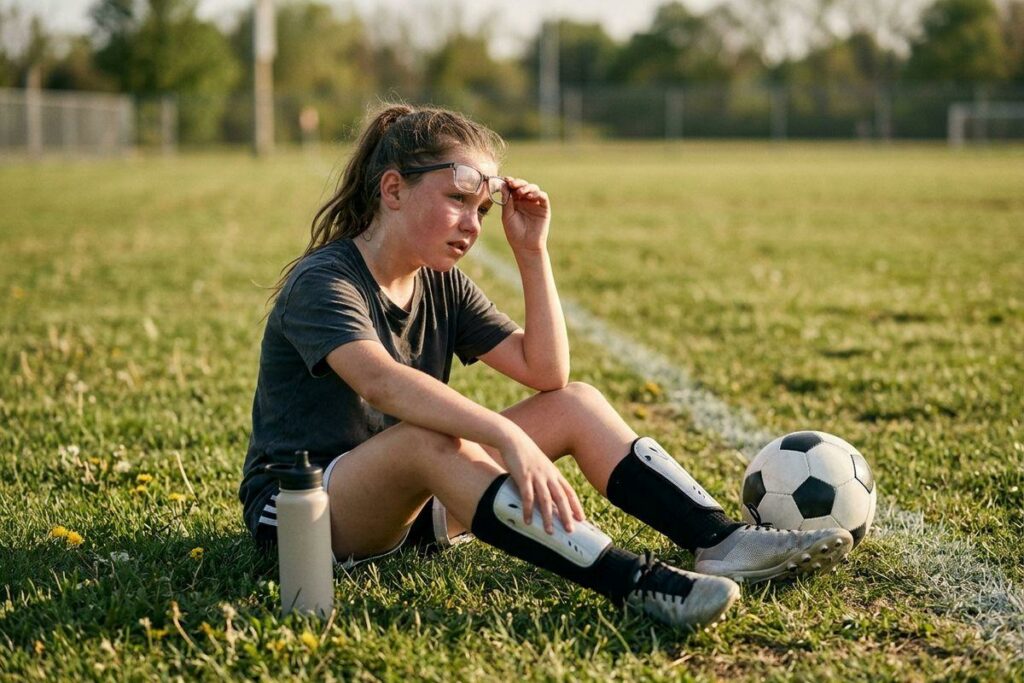
Your child comes home from soccer practice frustrated because their glasses slid down their nose during every sprint. Maybe they’ve started asking about contacts, just like a friend at school. At Optometric Group, families often bring this exact question to their child’s appointment, and our team can help steer you in the right direction.
Kids can start wearing contacts at almost any age, because readiness and responsibility matter more than a specific age. A contact lens exam with your child’s eye doctor can help you figure out if the timing feels right for your family.
How Old Does Your Child Need to Be for Contacts?
There’s no single right age for contacts. Every child grows at their own pace, so the answer depends on your kid.
Physically, even young kids can wear contacts. In fact, some babies wear contacts as part of treatment. Eye size usually isn’t the main question.
Contacts for Kids Under 8
For younger children, age matters less than readiness and responsibility. A 7-year-old who packs their own backpack each morning might handle lenses well, while another child may want a little more time.
Your eye doctor can help you weigh the timing. Your eye doctor can look at your child’s eyes, chat with your child, and listen to what you notice at home.
What Age Range Do Eye Doctors Often Suggest?
Many eye doctors encourage contacts around ages 11 to 14. By then, plenty of kids have steady daily routines and can care for lenses with less help from you.
Younger kids can surprise you, though.
In research on children aged 8 to 11, 9 in 10 kids managed daily lenses. Simple steps, like washing hands before touching lenses, can become as automatic as brushing teeth.
Signs Your Child Is Ready for Contacts
Your child’s everyday habits can offer helpful clues. Watch for these signs at home:
- Your child washes their hands without reminders.
- Your child handles everyday self-care tasks, like brushing teeth and getting dressed, on their own.
- Your child practices putting lenses in and out carefully.
When Your Child May Need More Time
Some kids benefit from waiting a bit longer, and that’s completely normal. These signs suggest your child may need more time:
- Your child needs regular reminders to wash their hands.
- Your child often forgets to close doors or containers.
- Your child needs help with other self-care tasks.
With practice and patience, these habits can grow right along with your child.
Why Kids Can Benefit from Contacts at a Younger Age
Skills That Grow with Practice
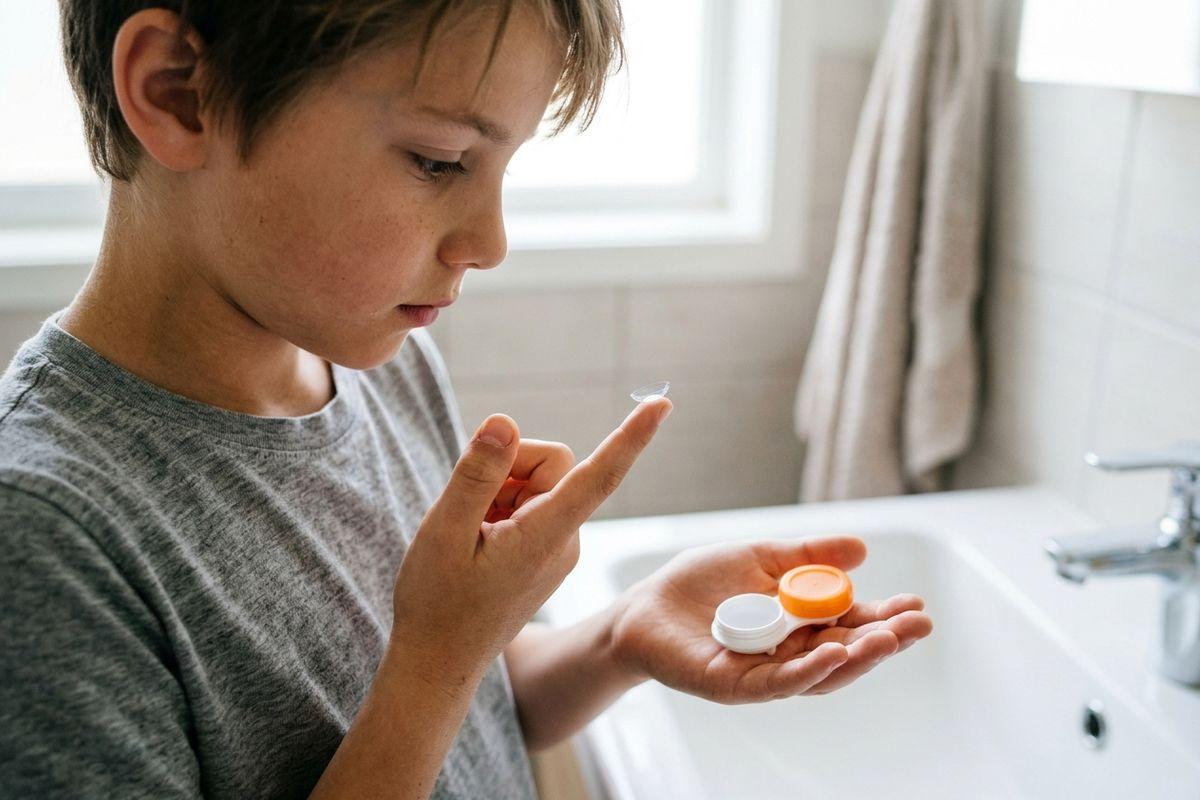
Early practice builds lens handling skills. Each time your child pops a lens in before school, the motion can feel a little more natural.
Younger kids often enjoy the fun of something new. Picking out a bright lens case or showing off their routine to grandma can turn lens care into a small adventure.
Adults can learn too, though some just take extra time to feel comfortable touching their eyes.
Glasses Are Still a Good Choice
Some kids prefer glasses at any age, and that’s okay. Bold, colorful frames can become part of your child’s personal style.
Daily disposable contact lenses can be a convenient option for active children, especially those involved in sports. Starting with a fresh pair each day eliminates the need for cleaning and storing reusable lenses overnight.
Having options lets your family pick what fits. Some kids wear contacts for sports and glasses for homework, switching as their day changes.
Your Child’s Contact Lens Visit
Depending on your child’s prescription and visual needs, our team can explore different contact lens options from trusted manufacturers, including Alcon and Johnson & Johnson Vision. We can help you compare available daily disposable and reusable lenses to find an option that fits your child’s eyes, lifestyle, and level of responsibility. Here’s what you can expect:
- Your child gets an eye exam with an eye doctor in Fontana or Upland.
- Our team tailors a lens fit to your child’s eyes and visual needs.
- Follow-up visits help check how comfortable the lenses feel.
Our team can also walk your child through each step of handling lenses, so they head home feeling ready to give it a try.
Explore Your Options
Whether your child is 8 or 14, the right time for contacts is when they feel ready. Optometric Group can help you explore lens options, answer your child’s questions, and cheer them on as they learn. Book an appointment today at the Fontana, Upland Downtown, or Rancho Cucamonga location closest to you.