Eye dilation is commonly part of a comprehensive eye exam. But what’s the reasoning behind the process? At Optometric Group of Fontana, Upland and Rancho Cucamonga, we believe that being informed helps you make better, healthier choices. So let’s take a closer look at eye dilation.
Dilation gives your eye doctor a clear, wide-open view of the back of your eye to check its overall health. This allows for a much more thorough examination of your vision and the structures inside your eye.
What Happens During Eye Dilation?
A Peek Behind the Curtain
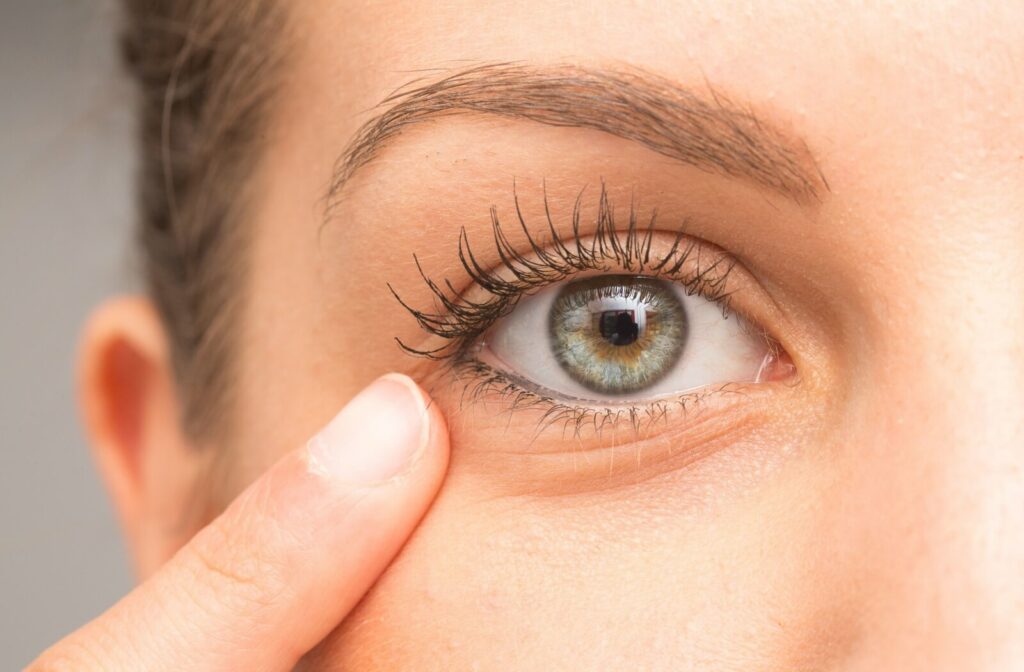
Think of your pupil as a window into your eye. Usually, that window is fairly small, which limits the view of what’s inside. Dilation opens that window as wide as it can go, letting in more light so your eye doctor can get a better look inside.
How Dilation Drops Work
The drops that we use for dilation relax the muscles in your iris—the colored part of your eye. One of these muscles is in charge of making your pupil smaller in response to light. When that muscle relaxes, your pupil opens up and stays that way for a while.
A Full Health Check for Your Eyes
With your pupils open, your eye doctor gets an unobstructed view of your retina, optic nerve, and blood vessels. This process is more in-depth than standard retinal imaging, providing a more complete picture of your eye health.
A dilated eye exam can catch issues like:
- Diabetic Retinopathy
- Glaucoma
- Macular Degeneration
- Retinal Tears or Detachment
When Is a Dilated Exam Recommended?
Your doctor may suggest a dilated exam based on your age, overall health, and risk factors for eye diseases. There isn’t a single, simple rule—it all depends on the health of your eyes.

What to Expect After the Drops Go In
How Long Do the Effects Last?
You can expect the effects of the drops to last for 4–6 hours. Plan to take it easy for a while until your eyes return to normal.
A Painless Process
You might feel a slight stinging sensation when the drops first go in. After that, the process shouldn’t be painful. You will, however, notice changes in your vision and the light sensitivity of your eyes.
Common Temporary Side Effects
For a few hours after your exam, you’ll probably experience:
- Blurry vision, especially when looking at things up close
- Sensitivity to sunlight and bright indoor lights
Plan Your Visit: Dilation Day Tips
Arrange a Safe Ride Home
Because your vision will still be blurry and sensitive to light after your eye exam, it’s a good idea to have someone drive you home.
A Few Pointers for Your Appointment
To help your experience go smoothly, we recommend the following:
- Bring sunglasses. A good pair of UV-protective shades will be your best friend for the ride home and will help manage any light sensitivity.
- Postpone close-up work. Plan to avoid tasks like reading or computer work for a few hours until the effects wear off.
- Ask questions. Feel free to talk to our teams in Fontana, Rancho Cucamonga or Upland about any concerns you have.
Understanding your eye health is a team effort. At Optometric Group of Fontana, Upland and Rancho Cucamonga, we’re here to provide personalized care and answer all your questions. Schedule your next appointment today!